Active Monitoring Packets Cause Outages in 20% of Audited OT Networks
One in five industrial networks crashes not from cyberattacks or equipment failure, but from the very tools designed to monitor them. If your factory uses standard IT monitoring practices on operational technology, you might be triggering outages without realizing it.
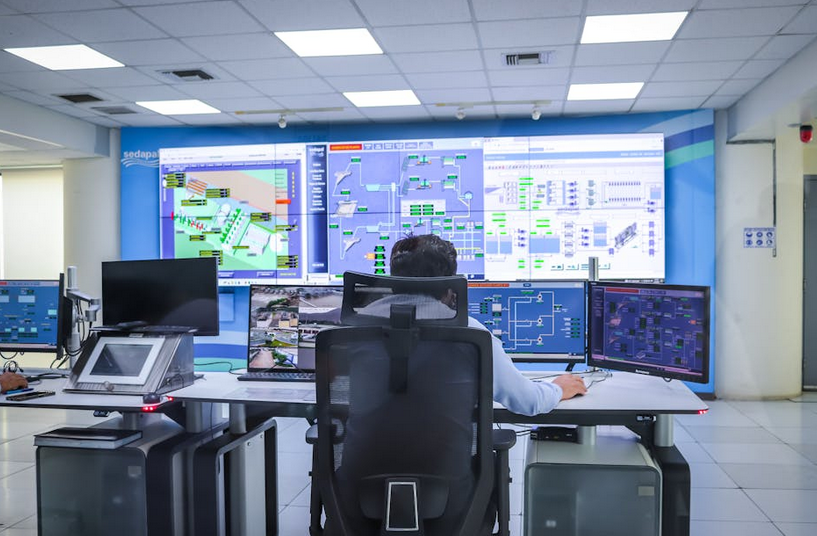
One in five industrial networks crashes not from cyberattacks or equipment failure, but from the very tools designed to monitor them. If your factory uses standard IT monitoring practices on operational technology, you might be triggering outages without realizing it.
Key Takeaways
- Monitoring-induced outages are more common than most think: Approximately 20% of audited Industrial Automation Control Systems (IACS) networks experience stability issues or outages caused by incorrectly configured active monitoring tools.
- Legacy OT systems can't handle standard IT monitoring: Older industrial control devices weren't designed to process unexpected network packets, making them vulnerable to disruption from common monitoring practices.
- Passive monitoring protects critical operations: Using network TAPs and protocol-aware tools allows complete monitoring without introducing synthetic traffic that could destabilize production systems.
- The cost of downtime in industrial environments extends beyond inconvenience: Unplanned outages can lead to physical damage, environmental harm, and significant financial losses that far exceed the investment in proper monitoring infrastructure.
Industrial networks keep factories running, power grids stable, and water treatment plants operational. When these Operational Technology (OT) networks go down, the consequences ripple far beyond a simple service interruption. Recent audit findings reveal a troubling pattern: the very tools meant to protect these critical systems are causing outages in one out of every five networks examined.
20% of Audited Industrial Networks Show Monitoring Vulnerabilities That Risk Outages
Rhebo Stability and Security Audits uncovered a startling reality across Industrial Automation Control Systems. Their analysis revealed that approximately 20% of audited IACS networks had incorrectly configured asset and network condition monitoring systems. These misconfigurations led to unintentional network communication that directly caused stability issues and complete outages.
The problem stems from a fundamental mismatch between traditional IT monitoring approaches and the unique requirements of industrial environments. Industry specialists have observed this pattern repeatedly in OT security assessments, where well-intentioned monitoring implementations become the very source of operational disruptions they were meant to prevent.
These operational disruptions occur because older OT devices cannot handle standard pings or synthetic monitoring packets. The disruption of real-time requirements by unexpected packets creates cascading failures throughout interconnected industrial systems. What appears as a simple network monitoring task in an IT environment becomes a critical reliability threat in OT networks.
Why OT Networks Are Vulnerable to Synthetic Traffic
Legacy Systems Can't Handle Standard Network Pings
Many industrial control systems rely on legacy equipment and proprietary software that predates modern cybersecurity considerations. These systems were engineered for reliability and deterministic communication, not for handling unexpected network traffic. When active monitoring tools send standard ICMP pings or SNMP queries, these aging systems often respond unpredictably.
The brittle nature of legacy OT equipment means that even seemingly harmless network packets can trigger unexpected behavior. Controllers designed in the 1990s or early 2000s lack the robust packet handling capabilities found in modern networking equipment. A simple ping request might cause a programmable logic controller (PLC) to enter an error state or temporarily halt its normal operations.
Latency Requirements Make Extra Packets Dangerous
Operational Technology networks operate under strict timing constraints that don't exist in traditional IT environments. Control loop timing and process stability depend on predictable, low-latency communication between devices. Every additional packet introduced into the network consumes bandwidth and processing resources that industrial protocols need to maintain real-time operations.
Industrial networks are highly sensitive to latency and packet loss, which directly affect control loop timing and process stability. When active monitoring introduces synthetic traffic, it competes with critical operational data for network resources. Even minimal delays can disrupt time-sensitive communications between sensors, controllers, and actuators, leading to process instability or safety system activation.
Proprietary Protocols Weren't Built for Modern Monitoring
Industrial protocols like Modbus, DNP3, and PROFINET were designed for specific operational purposes, not for accommodating monitoring traffic. These protocols often lack the error handling and recovery mechanisms found in modern networking standards. When monitoring tools attempt to query devices using these protocols, they may inadvertently trigger protocol violations or exceed device communication limits.
The proprietary nature of many industrial communication protocols creates additional complexity. Standard IT monitoring tools lack the deep protocol understanding necessary to interact safely with industrial devices. Without proper protocol awareness, monitoring attempts can generate malformed packets or inappropriate command sequences that confuse or destabilize industrial equipment.
The Hidden Cost of Intrusive Network Testing
Synthetic Traffic Congests Real Network Operations
Active monitoring creates synthetic data to test networks and applications, but in OT environments, this extra traffic directly competes with operational communications. Industrial networks often operate with minimal bandwidth margins, especially in older installations using serial communications or low-bandwidth Ethernet connections. Additional monitoring traffic can push these networks beyond their capacity limits.
The congestion effects compound during critical operational periods when industrial systems generate peak communication loads. Monitoring tools that perform well during quiet periods may overwhelm networks during startup sequences, emergency responses, or high-production periods. This timing creates a dangerous scenario where monitoring systems fail precisely when network visibility becomes most critical.
Unexpected Packets Disrupt Control Loop Timing
Industrial control systems depend on predictable communication patterns to maintain process stability. When monitoring tools inject unexpected packets into these carefully orchestrated networks, they disrupt the timing that control algorithms depend on. Even minor timing variations can accumulate into significant process deviations or trigger safety interlocks.
The impact extends beyond individual device responses to affect entire process control loops. A delayed sensor reading can cause a controller to make incorrect adjustments, which then propagate through interconnected systems. These cascading effects can transform a minor monitoring-induced delay into a significant process upset or safety system activation.
Active vs Passive Monitoring in Industrial Environments
1. Why Active Monitoring Became 'Taboo' in OT
Historically, active monitoring was considered taboo in OT environments due to the high potential for disruption and downtime. Security and operations teams learned through expensive experience that proactive testing approaches used successfully in IT networks could cause catastrophic failures in industrial settings. The risk of synthetic monitoring corrupting data, overloading systems, or causing unintended side effects in production environments led to an industry-wide preference for hands-off approaches.
The taboo status emerged from real incidents where well-intentioned monitoring efforts caused production shutdowns, safety system trips, or equipment damage. Unlike IT environments where downtime means productivity loss, industrial outages can pose physical dangers to personnel and environmental risks to surrounding communities. This reality shaped a culture of extreme caution around any monitoring approach that might interfere with operational systems.
2. How Passive Monitoring Protects Critical Operations
Passive monitoring collects network data using SPAN ports or network TAPs without interfering with live operations, thereby avoiding the risk of disrupting critical processes. This approach observes real traffic patterns without introducing any synthetic packets that could destabilize sensitive industrial equipment. Network TAPs provide a completely non-intrusive way to gain visibility into OT network communications.
The passive approach eliminates the risk of monitoring-induced outages while still providing complete visibility into network behavior. By analyzing existing traffic patterns, passive monitoring can identify anomalies, performance issues, and security threats without adding any load to operational networks. This method proves particularly effective for identifying intermittent problems that might escape detection during scheduled active testing windows.
3. When Modern Hybrid Approaches Make Sense
While passive monitoring remains critical, a hybrid approach combining passive observation with carefully controlled active measures is emerging for modern industrial environments. This evolution reflects improvements in both monitoring technology and industrial device capabilities. Newer PLCs and industrial networking equipment can better handle controlled active monitoring when properly implemented.
Hybrid approaches enable more detailed insights into system capabilities without compromising stability. These methods might include controlled testing during planned maintenance windows or using dedicated management networks isolated from operational traffic. The key lies in understanding which devices and protocols can safely accommodate active monitoring and implementing appropriate safeguards to prevent operational impact.
Protecting Your OT Network from Monitoring-Induced Outages
Deploy Network TAPs for Reliable Traffic Analysis
Network TAPs provide the most reliable method for monitoring OT networks without introducing any risk of operational disruption. Unlike SPAN ports, which can drop packets under high load conditions, TAPs create a perfect copy of network traffic without any impact on the original data flow. This approach ensures that monitoring activities never interfere with critical operational communications.
TAP deployment requires careful planning to ensure coverage of critical network segments without creating security vulnerabilities. Strategic placement at network choke points and segment boundaries provides maximum visibility while minimizing the number of monitoring access points that need protection. Modern TAPs offer advanced filtering capabilities that allow monitoring systems to focus on specific protocols or traffic types relevant to operational security.
Deploy Industrial Protocol-Aware Tools
Effective OT monitoring tools must understand and inspect industrial protocols deeply for irregularities without interrupting time-sensitive communications. Standard IT monitoring solutions lack the protocol knowledge necessary to safely interact with industrial systems. Protocol-aware tools can decode Modbus, DNP3, PROFINET, and other industrial communications to identify security threats and performance issues.
The deep protocol inspection capability allows monitoring systems to detect subtle anomalies that might indicate compromise or equipment problems. These tools can identify unauthorized command sequences, unusual data patterns, or protocol violations that could signal cyberattacks or equipment malfunctions. Unlike generic network monitoring tools, industrial protocol analyzers understand the operational context of communications and can distinguish between normal operational variations and genuine security threats.
Audit Current Monitoring Configurations
Regular auditing of existing monitoring configurations helps identify potential sources of network instability before they cause outages. The audit process should examine all monitoring tools, their configuration parameters, and their interaction with industrial devices. Special attention should focus on any active monitoring components that might generate synthetic traffic or query industrial equipment directly.
The audit should also evaluate monitoring tool scheduling and resource usage to identify potential conflicts with operational requirements. Monitoring activities that coincide with critical operational periods pose the greatest risk of causing disruptions. Proper scheduling and resource allocation can minimize the impact of necessary active monitoring while maintaining operational visibility requirements.
Choose Passive Monitoring to Keep Your Operations Running
The evidence clearly demonstrates that passive monitoring approaches provide the best balance of network visibility and operational safety for OT environments. While active monitoring techniques continue to evolve and find appropriate applications in industrial settings, the fundamental principle remains unchanged: operational stability must take precedence over monitoring convenience.
Network failures remain a leading cause of OT downtime, exacerbated by the complexity and legacy nature of industrial networks. The solution lies not in avoiding monitoring altogether, but in implementing monitoring strategies that respect the unique requirements and constraints of operational technology environments. Passive monitoring, supported by proper network TAPs and protocol-aware analysis tools, provides complete security and performance visibility without introducing operational risks.
Organizations that prioritize passive monitoring strategies while carefully evaluating any active monitoring components will achieve better operational reliability and security posture. The cost of implementing proper passive monitoring infrastructure is minimal compared to the potential losses from monitoring-induced outages in critical industrial systems.
Frequently Asked Questions
Can network monitoring tools actually cause OT outages?
Yes. Rhebo Stability and Security Audits found that approximately 20% of audited Industrial Automation Control Systems networks had incorrectly configured active monitoring that caused unintended communication, leading to stability issues and complete outages.
Why can't legacy OT equipment handle standard IT monitoring?
Older industrial controllers were engineered for deterministic communication, not for processing unexpected packets, so standard ICMP pings or SNMP queries can cause a PLC to enter an error state or halt operations. OT networks also run under strict timing constraints, so extra synthetic packets can disrupt control-loop timing.
What is the safest way to monitor an OT network?
Passive monitoring using network TAPs, or SPAN ports, together with industrial protocol-aware tools. This observes real traffic without injecting synthetic packets, giving full visibility into Modbus, DNP3, PROFINET and similar protocols with no load added to operational systems.
Is active monitoring ever appropriate in an OT environment?
A hybrid approach is emerging that combines passive observation with carefully controlled active measures, for example during planned maintenance windows or on dedicated management networks isolated from operational traffic. It works only where specific devices and protocols can safely accommodate active monitoring with appropriate safeguards.